Yacht Charter Croatia: A Complete Sailing Guide to the Adriatic’s Finest Cruising Grounds
Enjoy one of the most beautiful aquatorium of the world, for genuine sea and nature lovers. Decorated with more than 1,000 islands, Croatia is on top of the list of most intended world countries and therefore provides wide options for sailing and exploring. Countless amazing bays with crystal clear sea frames will fulfil your every desire for consuming untouched nature. Read more about Croatia, but check out our offer of more than 2,500 yachts in Croatia first!
Yacht Charter Croatia is one of the most rewarding ways to experience the Adriatic: not as a coastline seen from the road, but as a sequence of historic ports, pine-scented anchorages, limestone islands, family-run konobas, and medieval harbours approached under sail. Croatia’s appeal lies in its scale and variety. Within one sailing holiday you can move from Roman amphitheatres and Venetian bell towers to national parks, quiet fishing villages, vineyard-covered peninsulas, and cosmopolitan island towns.
Croatia is especially well suited to yacht charter because the distances are manageable, the nautical infrastructure is mature, and each region has a distinct rhythm. A week from Split feels very different from a cruise through Istria, Kornati, or the Dubrovnik archipelago. The country is commonly divided into several major sailing areas: Istria, Kvarner, Zadar region, Split region, and Dubrovnik region. Each has its own landscapes, winds, food culture, marina network, and style of sailing.
The main sailing season runs from April to October, with July and August offering the warmest sea and liveliest harbours. June and September are often the most elegant months for a yacht charter holiday: long days, warm water, reliable summer breezes, and fewer crowds in the marinas and anchorages. Along the Croatian coast, the summer Maestral is the sailor’s friend, while the Bura and Jugo require respect, local knowledge, and sensible route planning.
Why Croatia Is So Special for Yacht Charter Guests
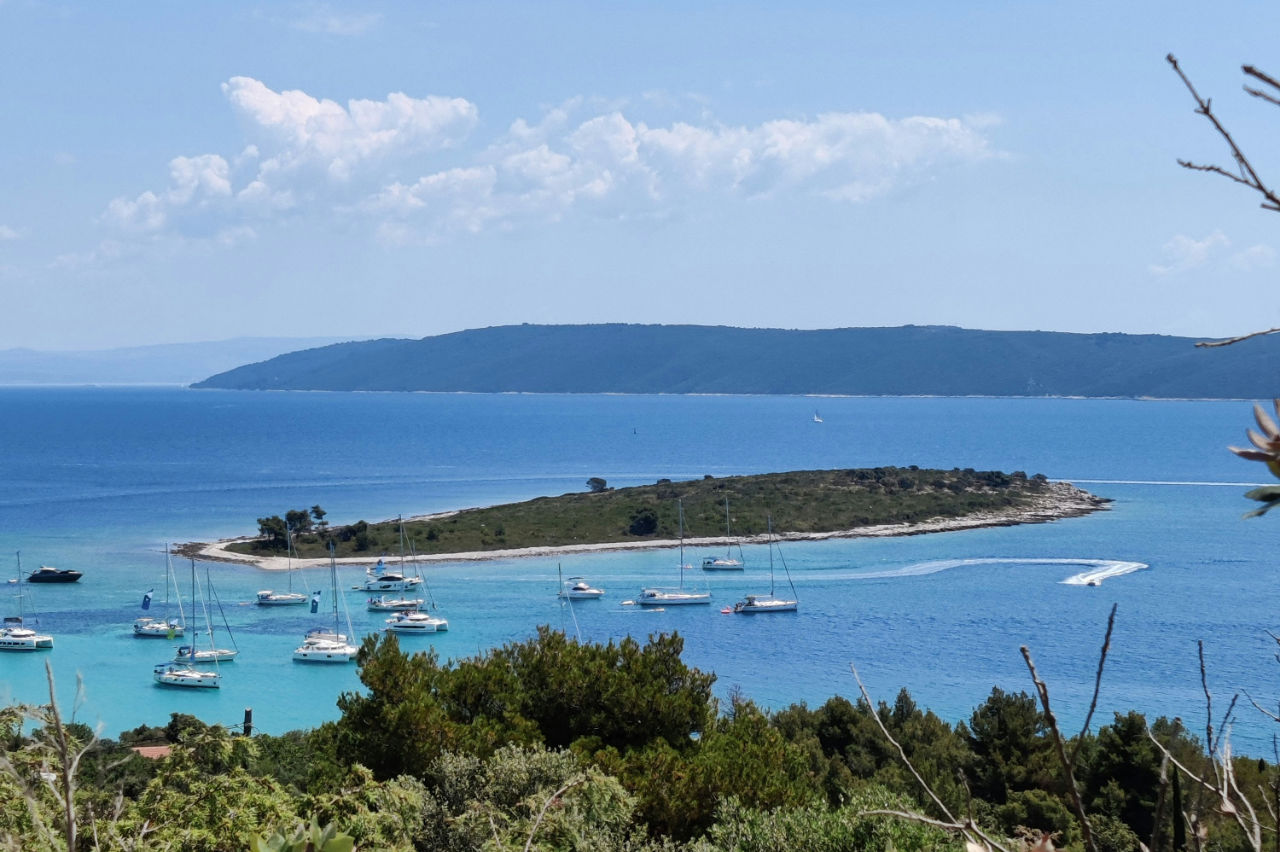
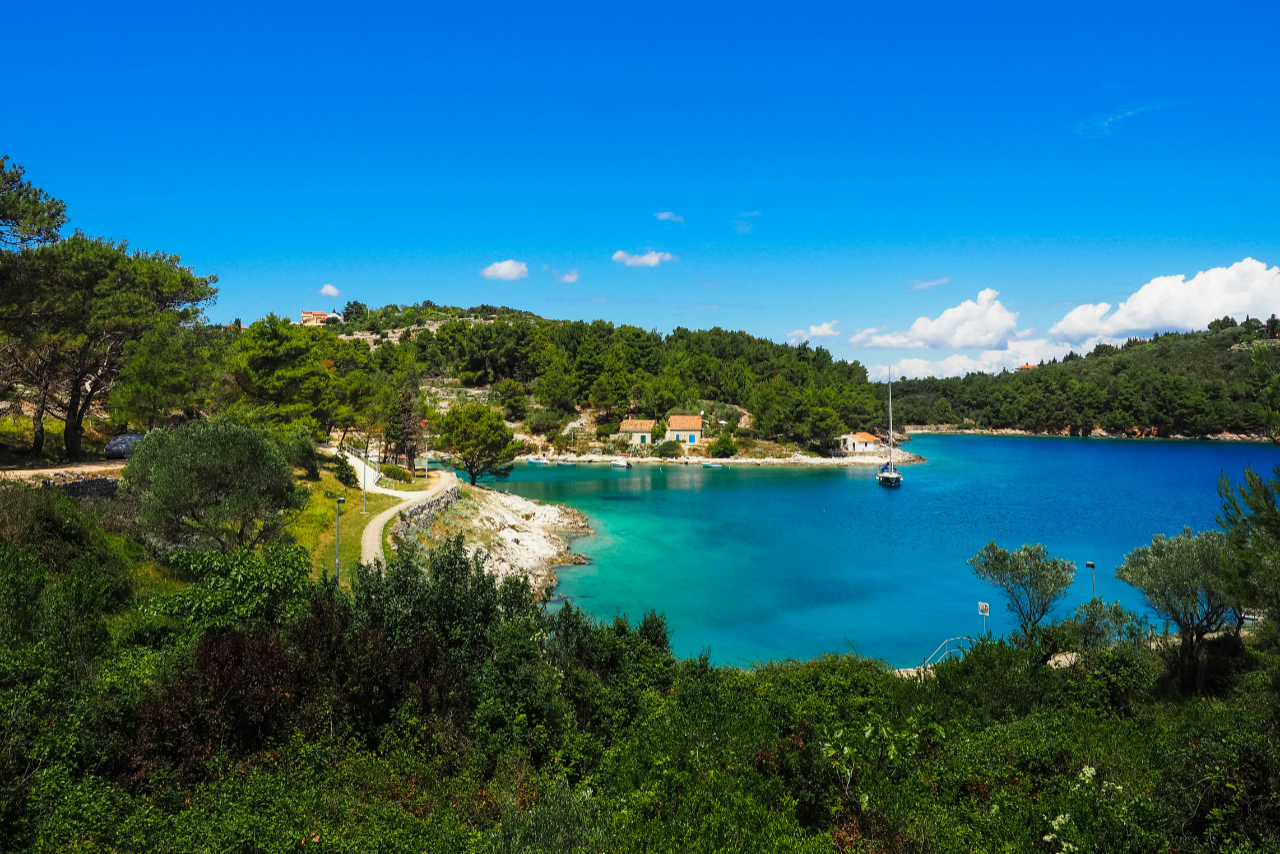
Blue lagoon - Drvenik Veli
Croatia’s coastline is deeply indented, protected by islands, and rich in natural harbours. This gives sailors many choices each day: a marina with restaurants and shore power, a buoy field beside a konoba, a quiet anchorage for swimming, or a town quay in the heart of an old settlement. For guests comparing Mediterranean sailing destinations, Croatia stands out because it combines easy island-hopping with serious cultural depth.
The country’s maritime story is layered. Greek settlers, Roman emperors, Byzantine merchants, Venetian admirals, Habsburg officers, fishermen, shipwrights, and modern sailors have all shaped the Adriatic coast. You feel that history in Pula’s Roman amphitheatre, Zadar’s ancient forum, Šibenik’s stone cathedral, Trogir’s medieval core, Split’s Diocletian’s Palace, Korčula’s fortified streets, and Dubrovnik’s sea-facing walls.
For charter planning, Croatia also offers exceptional variety in yacht types. A sailing yacht suits guests who want the classic pleasure of moving with the wind between islands. A sailing boat is ideal for relaxed crews who enjoy hands-on cruising and quiet anchorages. A catamaran charter brings more deck space and stability, especially for families or groups. A motorboat charter works well for shorter itineraries and guests who want to cover more miles quickly, while a power catamaran charter combines speed, comfort, and generous living space for premium island-hopping.
Istria: Roman Heritage, Venetian Towns, and Gourmet Coastal Cruising
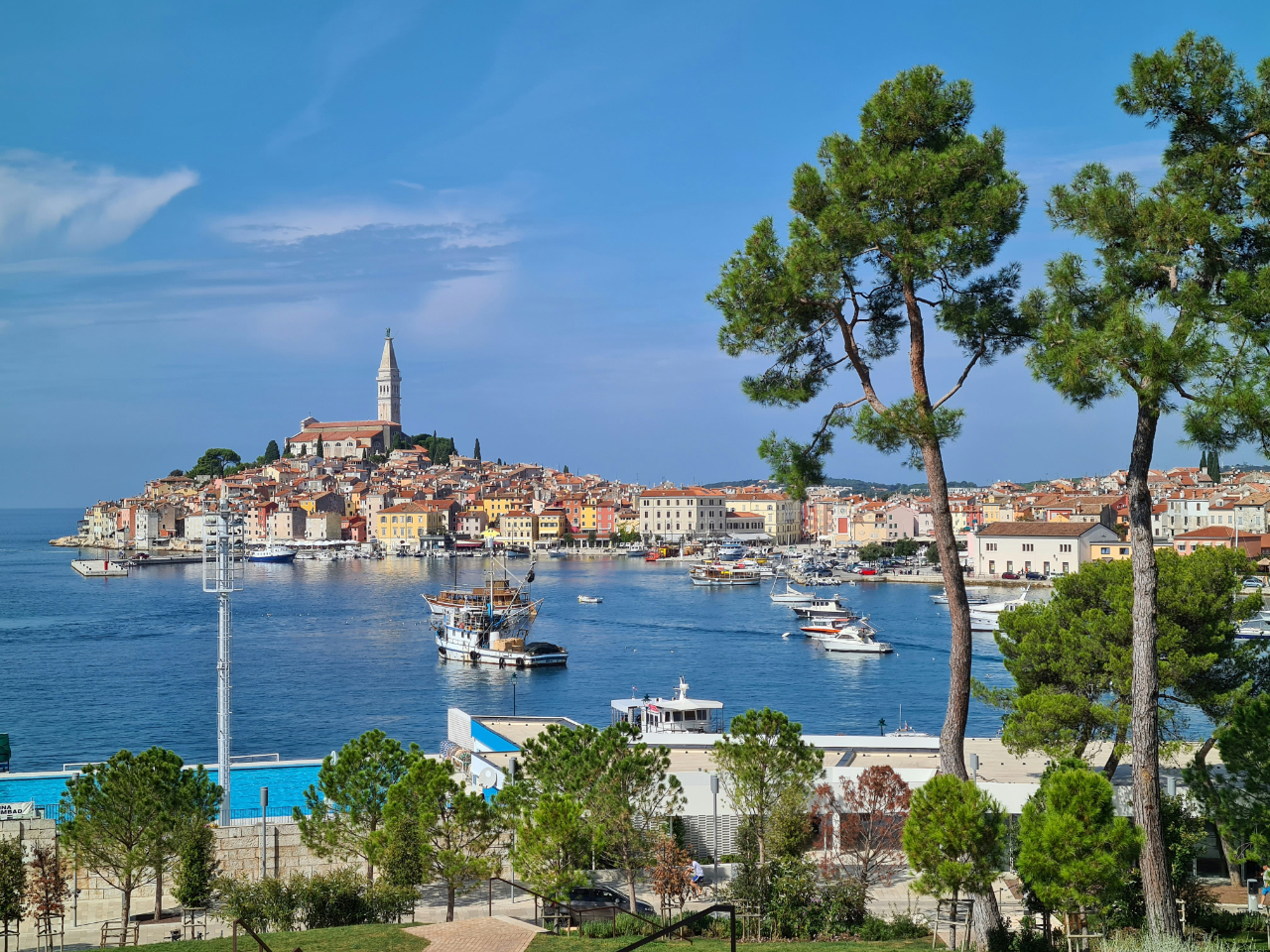
Rovinj in Istria region
Istria occupies Croatia’s northwestern peninsula, reaching into the Adriatic toward Italy and Slovenia. It is a superb starting point for sailors who enjoy culture, food, and shorter passages between atmospheric coastal towns. Pula is the main nautical gateway, with marinas near the city and an international airport nearby. The coastline is varied: low green shores, rocky coves, pine forests, protected bays, and elegant towns such as Rovinj, Poreč, Vrsar, and Novigrad.
Historically, Istria is one of Croatia’s richest regions. Pula’s Roman amphitheatre is among the most memorable cultural sights on the Adriatic, while Poreč is known for the Euphrasian Basilica, a UNESCO-listed early Christian monument. Rovinj, rising from a compact peninsula beneath the church of St. Euphemia, is one of the most beautiful landfalls in the northern Adriatic. Arriving by yacht gives the town a theatrical quality: pastel houses, fishing boats, polished stone lanes, and a harbour that still feels connected to everyday local life.
Sailing conditions in Istria are generally approachable in summer, with daytime temperatures commonly in the mid to high 20s Celsius during June and September and warmer conditions in July and August. The Maestral often builds from late morning into the afternoon, creating enjoyable sailing along the coast. The Bura can accelerate from the northeast, especially after weather changes, and the open crossings toward Kvarner should be planned with forecasts in mind. Istria is rewarding for bareboat yacht charter crews with good coastal navigation skills, but first-time visitors often appreciate a local skipper who knows the best overnight stops.
Istria’s gastronomy gives this region a strong identity. Inland hills produce truffles, olive oil, Malvazija wine, Teran, wild asparagus, homemade pasta such as fuži and pljukanci, and slow-cooked meat dishes. Along the coast, menus shift toward Adriatic fish, scallops, cuttlefish risotto, and simple grilled seafood. Rovinj has refined restaurants such as Monte and Cap Aureo, while the countryside around Buje, Momjan, and Motovun is known for wineries and konobas. Meneghetti, Kozlović, and Kabola are names often associated with Istrian wine experiences, although advance reservations are wise in high season.
For yacht charter guests, Istria is special because it feels both maritime and continental. You can swim off Cape Kamenjak in the morning, visit Brijuni National Park by boat, dine in Rovinj at sunset, and taste truffle pasta in a hilltop village the next day. It is an excellent choice for travellers who want a sophisticated sailing holiday with strong food culture, polished towns, and less emphasis on long offshore legs.
Kvarner: Island Wilderness, Clear Channels, and Noble Maritime Traditions
Mali Lošinj in Kvarner region
South and east of Istria lies Kvarner, a broad gulf framed by the islands of Cres, Lošinj, Krk, Rab, and the mainland coast around Rijeka and Opatija. This region has a slightly more dramatic character than Istria. The islands are larger, the channels wider, and the landscapes more varied: bare limestone slopes exposed to the Bura, deep green forests, sheep pastures, aromatic herbs, and sheltered harbours with a long seafaring tradition.
Kvarner’s history is closely linked to navigation, trade, and health tourism. Opatija became a fashionable resort in the Habsburg era, while Rijeka developed as a major port. The islands tell older stories: Rab has Roman roots and elegant medieval bell towers, Krk carries layers of Croatian, Venetian, and Frankopan heritage, and Cres preserves stone villages, olive groves, and the habitat of the griffon vulture. Mali Lošinj, once a significant shipbuilding and seafaring centre, later became known for its mild climate, pine forests, and wellness traditions.
Sailing in Kvarner is beautiful but demands respect. The region is more exposed than the inner Dalmatian island chains, and the Bura can be powerful, particularly around the Velebit Channel and in the passages between islands. Summer temperatures are pleasantly warm, generally ranging from the mid-20s to low 30s Celsius, with refreshing sea breezes. The Maestral is reliable in settled weather, but crews should monitor forecasts carefully before crossing between Cres, Rab, Krk, and the mainland.
The gastronomy of Kvarner bridges the Mediterranean and the mountains. Cres lamb, Krk cheese, šurlice pasta, scampi from the Kvarner Gulf, wild herbs, olive oil, and Vrbnička Žlahtina wine from Krk are regional highlights. In Mali Lošinj, waterfront restaurants serve fresh fish, langoustines, and island herbs; on Krk, Vrbnik is an excellent stop for wine tasting; on Cres, simple taverns often deliver the most memorable meals. Rab is known for rapska torta, an almond dessert with a long local tradition.
For charter guests, Kvarner offers a satisfying balance of wilderness and culture. A catamaran charter is particularly comfortable here because the extra space and stability suit families crossing wider channels, while a skippered yacht charter is a wise choice for guests who want to enjoy the region without worrying about sudden wind shifts. Kvarner is not only a cruising ground; it is a maritime landscape with a strong sense of place.
Sail the Zadar Region: Croatia’s Adriatic Gem for Yacht Charters
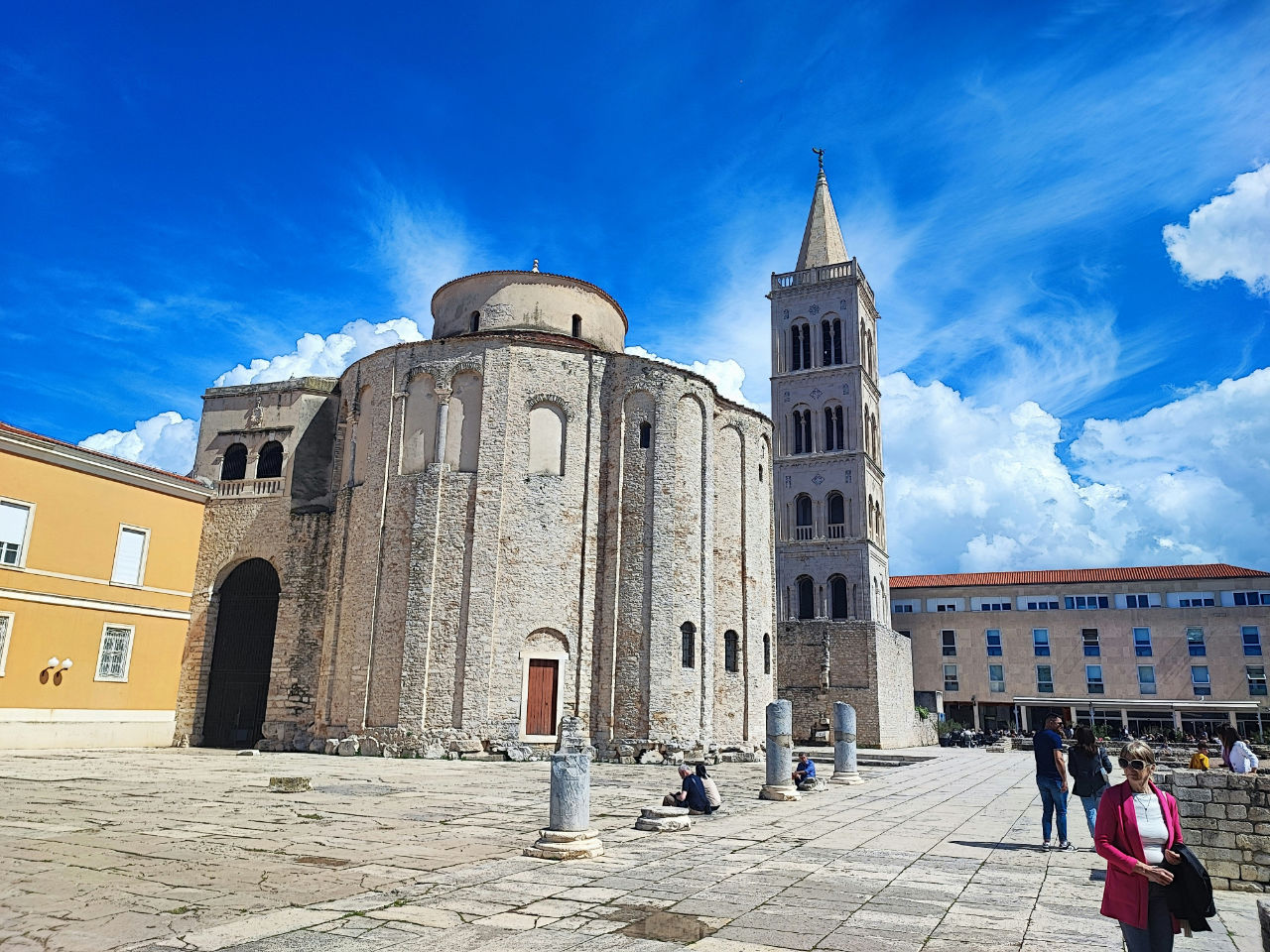
St. Donat church in Zadar
Zadar region is one of Croatia’s most versatile yacht charter regions, stretching from the Zadar archipelago through Biograd, Murter, the Kornati islands, and Šibenik toward Primošten and Rogoznica. It is a region designed by nature for sailors: hundreds of islands, short passages, protected channels, and a dense network of marinas and buoy fields. Main charter bases include Zadar, Sukošan, Biograd na Moru, Murter, Vodice, Šibenik, and Rogoznica.
Zadar has been an important Adriatic city since antiquity, with Roman remains, medieval churches, Venetian walls, and a lively waterfront. Its modern Sea Organ and Sun Salutation give the city a contemporary signature, but the old town remains deeply historic. South of Zadar, Biograd and Murter are practical nautical hubs with quick access to Kornati National Park, while Šibenik brings one of Croatia’s great cultural highlights: the UNESCO-listed Cathedral of St. James, built entirely of stone.
The Kornati archipelago is the defining sailing experience in North Dalmatia. These islands are stark, pale, and almost lunar in appearance, with dry stone walls, high cliffs, hidden coves, and an extraordinary sense of space. Nearby Telašćica Nature Park on Dugi Otok offers one of the Adriatic’s finest natural harbours, salt lake Mir, and dramatic cliffs facing the open sea. Inland from Šibenik, the Krka River leads toward Skradin, a charming freshwater stop and gateway to Krka National Park.
Sailing conditions in Zadar region are usually excellent from May to October. Summer days are warm, often between the high 20s and low 30s Celsius, with sea temperatures inviting long swims. The Maestral works beautifully through the island channels, while the Bura can be accelerated by the Velebit massif farther north and should never be underestimated. Kornati navigation requires attention because of reefs, shoals, park regulations, and limited services in some areas. This is a region where a well-planned itinerary matters.
Food in Zadar region is honest, maritime, and often tied to the anchorage itself. In Kornati, many boaters dine at konobas that operate near bays and mooring fields, serving grilled fish, octopus salad, lamb, and peka dishes prepared under an iron bell. Around Zadar, look for Pag cheese, Nin salt, maraschino liqueur, and fresh Adriatic seafood. In Skradin, risotto is a local point of pride, while the Šibenik hinterland offers strong red wines, olive oil, and traditional Dalmatian meat dishes.
Zadar region is ideal for sailors who want a rich natural itinerary without long passages. A sailing yacht gives this region its purest expression, especially when moving quietly between Kornati islands in the afternoon Maestral. It also suits confident bareboat crews because the sailing distances are compact, but the area rewards careful navigation, updated charts, and local advice about mooring reservations inside protected areas.
Split Sailing Region Croatia: Gateway to the Dalmatian Islands
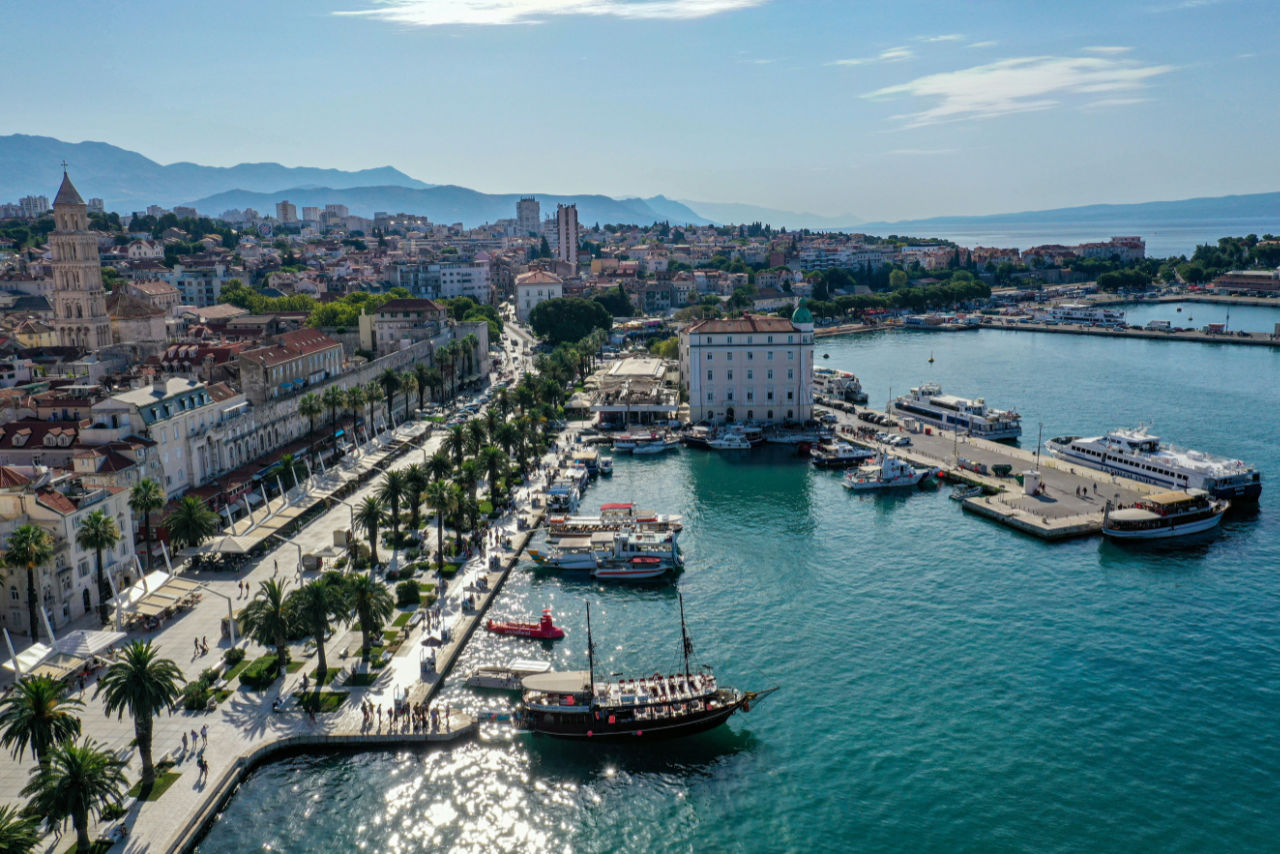
Split harbour
Split region is the best-known yacht charter region in Croatia, and for good reason. Split and Trogir offer major charter bases, excellent flight connections through Split Airport, and immediate access to some of the Adriatic’s most famous islands: Šolta, Brač, Hvar, Pakleni Islands, Vis, and Biševo. This is the region many travellers imagine when they think of Yacht Charter Croatia: stone towns, lavender hills, turquoise bays, beach clubs, fishing harbours, and long summer evenings on the waterfront.
The historical weight of Split region is remarkable. Split grew out of the palace of Roman emperor Diocletian, now a living urban core of alleys, courtyards, cafés, and apartments. Trogir, set on a small island between mainland and Čiovo, is a UNESCO-listed medieval town with Romanesque and Renaissance architecture. Hvar Town blends Venetian grandeur with island glamour, while Stari Grad preserves one of Europe’s oldest agricultural landscapes on its plain. Vis, once closed to foreign visitors for military reasons, retains a more remote and independent atmosphere.
Geographically, Split region is varied and deeply satisfying under sail. Brač rises high above the sea and is known for Zlatni Rat beach near Bol, stone quarries, and villages such as Milna and Pučišća. Hvar combines sunny south-coast anchorages with cultivated fields, vineyards, and lavender. The Pakleni Islands offer superb swimming stops and lively summer dining near Hvar Town. Vis is farther offshore, with Komiža, Vis Town, Stiniva Bay, Budikovac, and the Blue Cave on nearby Biševo among its signature attractions.
Sailing conditions are generally favourable, especially in settled summer weather. Daytime temperatures in June and September are warm but manageable, while July and August can be hot, often reaching the low to mid-30s Celsius. The Maestral usually develops predictably and can give excellent afternoon sailing between Split, Brač, Hvar, and Vis. The Bura may arrive suddenly from the northeast, while the Jugo from the southeast can build sea and swell, particularly on exposed southern coasts and offshore legs toward Vis. Good skippers plan anchorages according to wind direction, not only distance.
Split region is one of Croatia’s great gastronomic cruising grounds. On Brač, try lamb, olive oil, vitalac, fresh fish, and wines from local producers around Bol and Nerežišća. Hvar is known for gregada, a fisherman’s stew traditionally associated with the island, as well as excellent wines from indigenous grapes such as Bogdanuša and Plavac Mali. In Vis, restaurants in Komiža and Kut serve lobster, grilled fish, octopus, and Viška pogača, a savoury pie linked to the island’s fishing culture. The Pakleni Islands have refined summer restaurants, but booking ahead is essential in peak season.
For yacht charter guests, Central Dalmatia is special because it offers the most complete version of a Croatian sailing holiday. A first-time crew can enjoy a comfortable route from Split or Trogir to Šolta, Brač, Hvar, and back. More ambitious sailors can include Vis and Biševo. A crewed yacht charter works beautifully here for guests who want local restaurant reservations, hidden anchorages, and seamless service, while an experienced crew on a sailing boat can enjoy some of the Adriatic’s most rewarding island passages.
Dubrovnik Sailing Region Croatia: Explore the Southern Dalmatian Coast
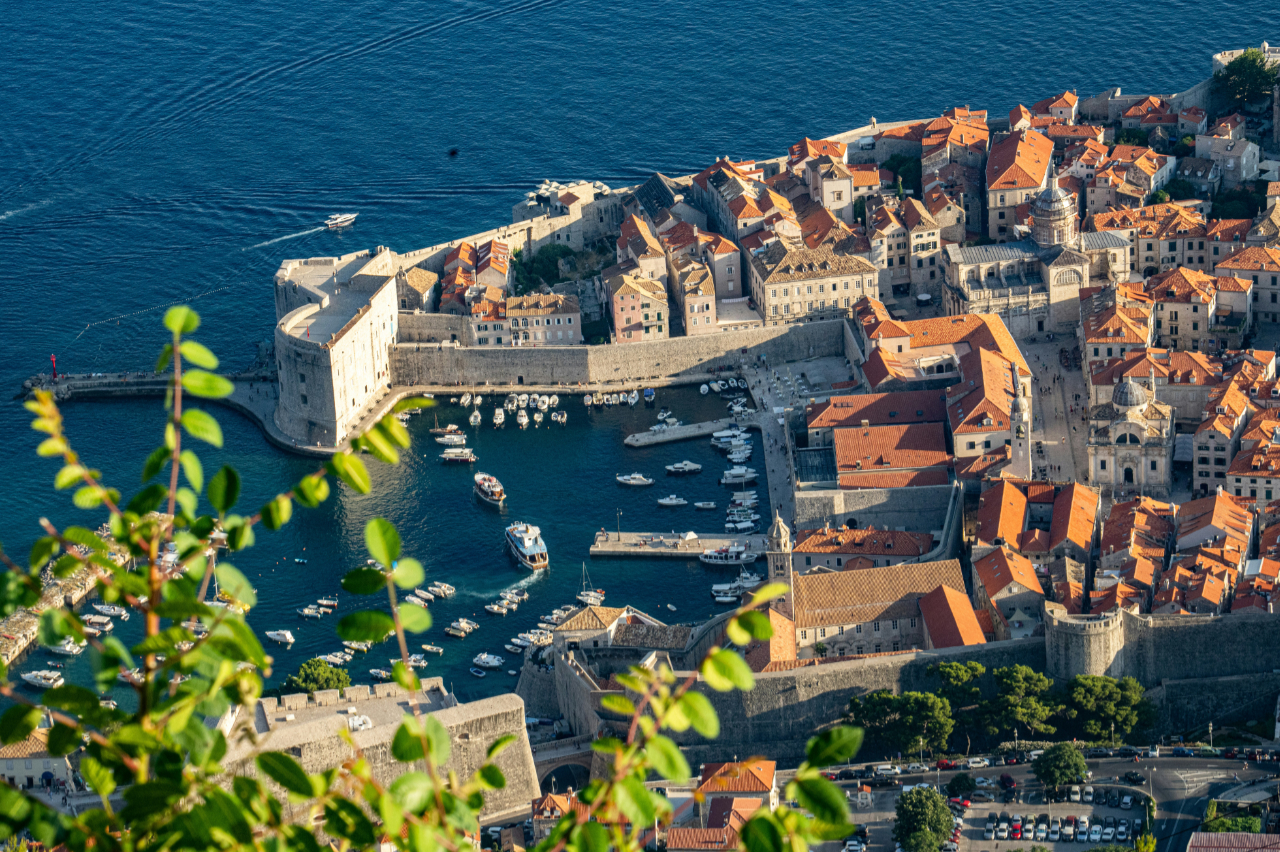
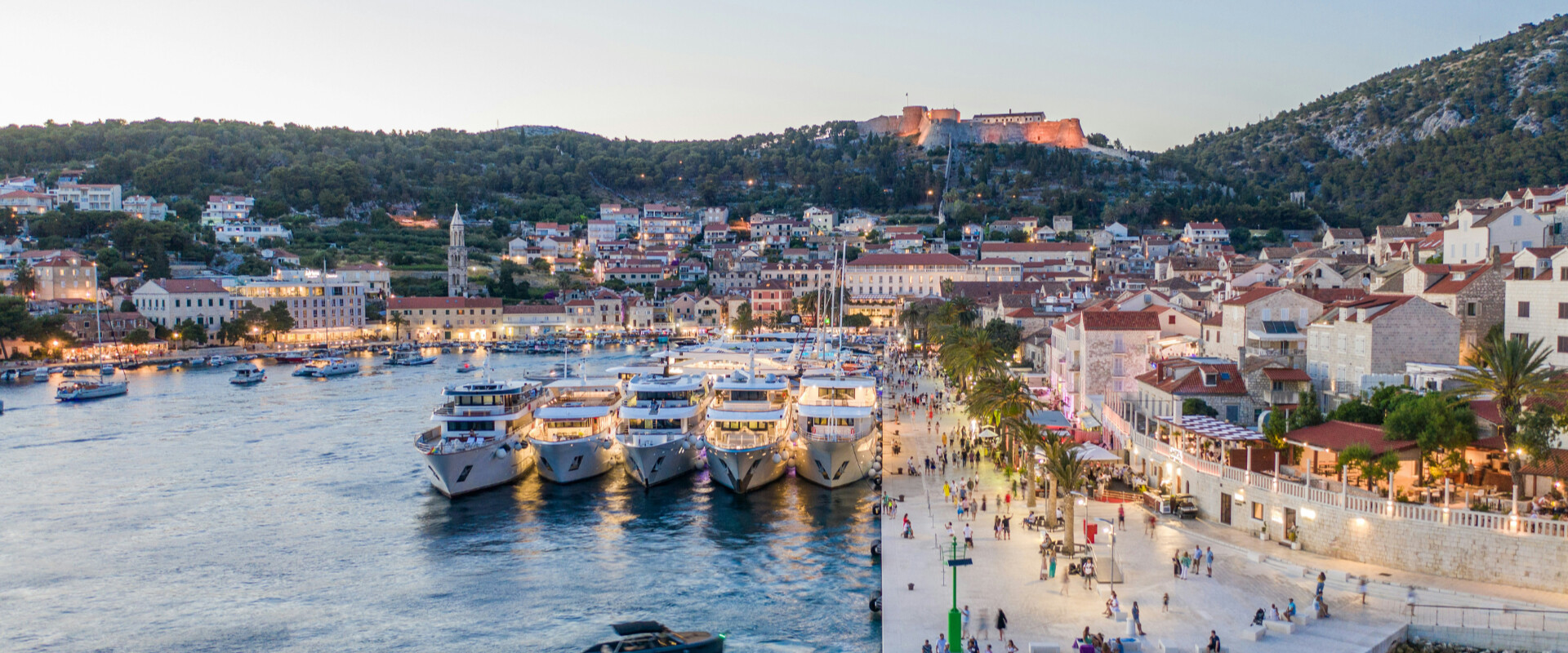
Dubrovnik - Pearl of Adriatic
Dubrovnik region has a different mood from the central islands. It is grander, more open, and more cinematic, shaped by Dubrovnik’s maritime history, the vineyards of Pelješac, the forests of Mljet, the elegance of Korčula, and the quiet anchorages of the Elaphiti Islands. Charter bases are found around Dubrovnik, with ACI Marina Dubrovnik in Komolac offering access to the old city, the islands, and routes north toward Mljet and Korčula.
Dubrovnik was once the powerful Republic of Ragusa, a maritime city-state whose ships traded widely across the Mediterranean. Its walls, forts, monasteries, palaces, and limestone streets make it one of Europe’s most impressive coastal cities. Approaching the area by yacht gives a sense of why sea power mattered here. The Elaphiti Islands of Koločep, Lopud, and Šipan lie northwest of the city and provide an easy first or final night, with quiet bays, sandy beaches, old villas, and relaxed restaurants.
Mljet is one of Dubrovnik region's great natural treasures. Its national park covers the island’s western part, including two saltwater lakes, pine forests, and the islet monastery of St. Mary. Farther north, Korčula offers one of the Adriatic’s most graceful old towns, often called a miniature Dubrovnik because of its walls and towers. Pelješac is a rugged wine peninsula known for Dingač and Postup vineyards, while Ston is famous for its walls, salt pans, and oysters. Lastovo, farther offshore, is remote, dark-skied, and ideal for sailors seeking a quieter, more elemental Adriatic.
Sailing in Dubrovnik region can involve longer passages than the Split or Zadar areas, but the rewards are substantial. Summer temperatures are warm, with July and August often hot, while June, September, and early October are particularly attractive. The Maestral gives fine sailing along the coast and between islands, but the Jugo deserves attention because it can create uncomfortable seas on exposed southeastern approaches. The Bura is also a consideration near mainland channels and should guide anchorage selection.
Food in Dubrovnik region is closely tied to the sea, vineyards, and stone landscapes. In Ston and Mali Ston, oysters and mussels are essential. Pelješac offers powerful Plavac Mali wines, especially around Potomje and Dingač. Korčula is associated with Pošip and Grk white wines, along with macaroni-style pasta, seafood stews, and grilled fish. On Mljet and the Elaphiti Islands, simple konobas serve octopus, squid, goat, fish, and vegetables grown in small island gardens. Dubrovnik offers everything from elegant fine dining to traditional taverns, but reservations are important in high season.
Dubrovnik region is ideal for guests who want history and atmosphere as much as swimming and sailing. A motorboat charter or power catamaran charter can be useful here for covering the distances between Dubrovnik, Mljet, Korčula, and Lastovo with more flexibility. For slower travel, a skippered or crewed itinerary gives time to linger in Polače, Pomena, Korčula Town, Šipan, and secluded anchorages that many visitors never reach.
Best Time to Sail in Croatia
The Croatian sailing season generally begins in April and becomes increasingly reliable from May. April and early May are quieter, green, and pleasant for experienced sailors, although sea temperatures are cooler and some island restaurants may still be opening gradually. Late May and June bring longer days, warm but comfortable air temperatures, and excellent conditions for those who want both sailing and swimming.
July and August are the peak months. The weather is hot, the sea is warm, and the islands are at their liveliest. This is the right time for guests who want beach clubs, nightlife, open-air dining, and a highly social atmosphere in places such as Hvar, Dubrovnik, and Vis. It is also the period when marina berths, restaurant moorings, and popular bays require the most planning.
September is arguably the most balanced month for many yacht charter guests. The sea remains warm, the strongest crowds have eased, and the light becomes softer. Early October can also be beautiful, especially in South Dalmatia, but weather systems become more changeable, and sailors should allow more flexibility in the itinerary.
Practical Yacht Charter Information for Croatia
Croatia’s main coastal airports for yacht charter guests are Pula, Rijeka, Zadar, Split, and Dubrovnik. Split Airport is the key gateway for Central Dalmatia, Zadar Airport works well for North Dalmatia and Kornati, Dubrovnik Airport serves South Dalmatia, and Pula Airport is the natural choice for Istria. Rijeka Airport, located on Krk, is useful for Kvarner itineraries, though seasonal flight schedules vary.
The most important charter bases and marinas include Pula, Veruda, Rovinj, Punat, Mali Lošinj, Zadar, Sukošan, Biograd, Murter, Vodice, Šibenik, Skradin, Primošten, Rogoznica, Trogir, Split, Kaštela, Marina Baotić, ACI Marina Split, ACI Marina Dubrovnik, and marinas around Dubrovnik’s Rijeka Dubrovačka. Each base has its own strategic advantage: Zadar and Biograd for Kornati, Split and Trogir for the classic island route, and Dubrovnik for Mljet, Korčula, and the Elaphiti Islands.
Provisioning is straightforward in major bases, with supermarkets, fish markets, bakeries, wine shops, and local produce stands near most marinas. It is sensible to stock heavier items before departure and then buy fresh bread, fruit, vegetables, fish, and wine along the route. On remote islands, shops may be small and seasonal, so crews heading to Kornati, Lastovo, or quieter anchorages should plan water, fuel, and food carefully.
Local customs are simple but worth respecting. Greet harbour staff and restaurant hosts politely, call ahead for popular konoba moorings, avoid anchoring in protected seagrass where prohibited, and observe national park rules. In town harbours, keep noise low late at night and handle waste responsibly. Croatia is a country with a strong maritime culture, and good seamanship is noticed.
Choosing the Right Yacht Charter Style in Croatia
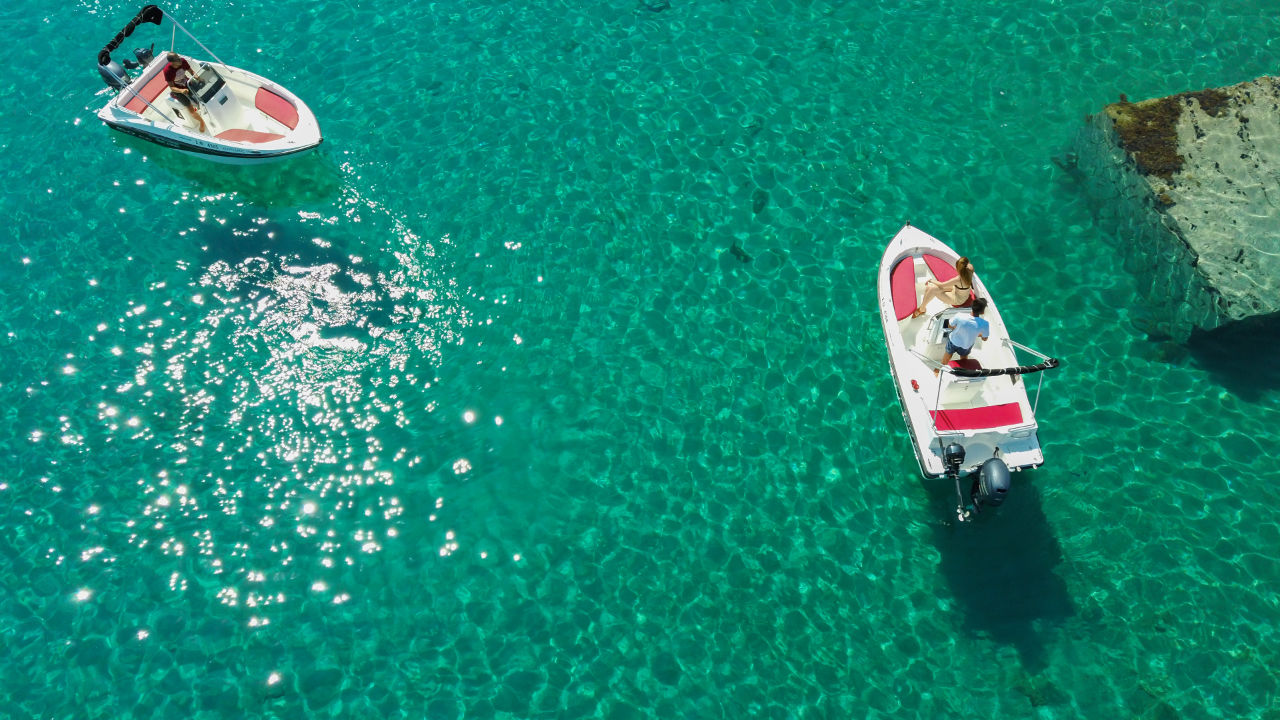
Motor boats close to Korčula island in Dubrovnik region
The right charter style depends on the region, crew experience, and preferred pace. A bareboat yacht charter is an excellent option for licensed skippers who are comfortable with Mediterranean mooring, weather planning, and busy harbours. Croatia’s marina network makes bareboat sailing practical, but summer congestion means confidence and preparation are important.
A skippered yacht charter is ideal for guests who want to relax while still enjoying the feel of a private yacht. The skipper brings local knowledge, handles navigation and mooring, and can adjust the route around winds, restaurant bookings, and swimming preferences. This is especially useful for first-time visitors or guests sailing in more exposed areas such as Kvarner, Vis, Lastovo, or the outer Dubrovnik islands.
A crewed yacht charter offers the highest level of comfort, with a professional crew managing the yacht, route, meals, service, and guest experience. It suits families, celebrations, luxury holidays, and travellers who want the Adriatic without logistics. Whether aboard a monohull, catamaran, motor yacht, or power catamaran, the best itineraries are those that leave space for the unexpected: an extra swim, a long lunch, a quieter bay, or a sunset arrival into a stone harbour.
Croatia by Yacht Is the Adriatic at Its Most Memorable
Yacht Charter Croatia is not defined by one island, one marina, or one famous view. Its strength is the way the coast unfolds region by region, each with a distinct character. Istria offers Roman monuments, Venetian towns, and truffle country. Kvarner brings wider channels, noble islands, and a more rugged maritime atmosphere. Zadar region is a paradise of national parks, Kornati islands, and sheltered navigation. Split region delivers the classic Split, Brač, Hvar, and Vis experience. Dubrovnik region combines Dubrovnik, Mljet, Korčula, Pelješac, and the Elaphiti Islands in a route rich with history and natural beauty.
For sailors, Croatia offers dependable summer winds, warm seas, short island passages, and an exceptional choice of marinas, anchorages, and waterfront restaurants. For travellers, it offers culture, food, wine, landscapes, and the rare pleasure of arriving somewhere beautiful by sea. That combination is why Croatia remains one of the Mediterranean’s finest yacht charter destinations and why a well-planned Croatian sailing holiday stays with guests long after the final harbour line is cast off.
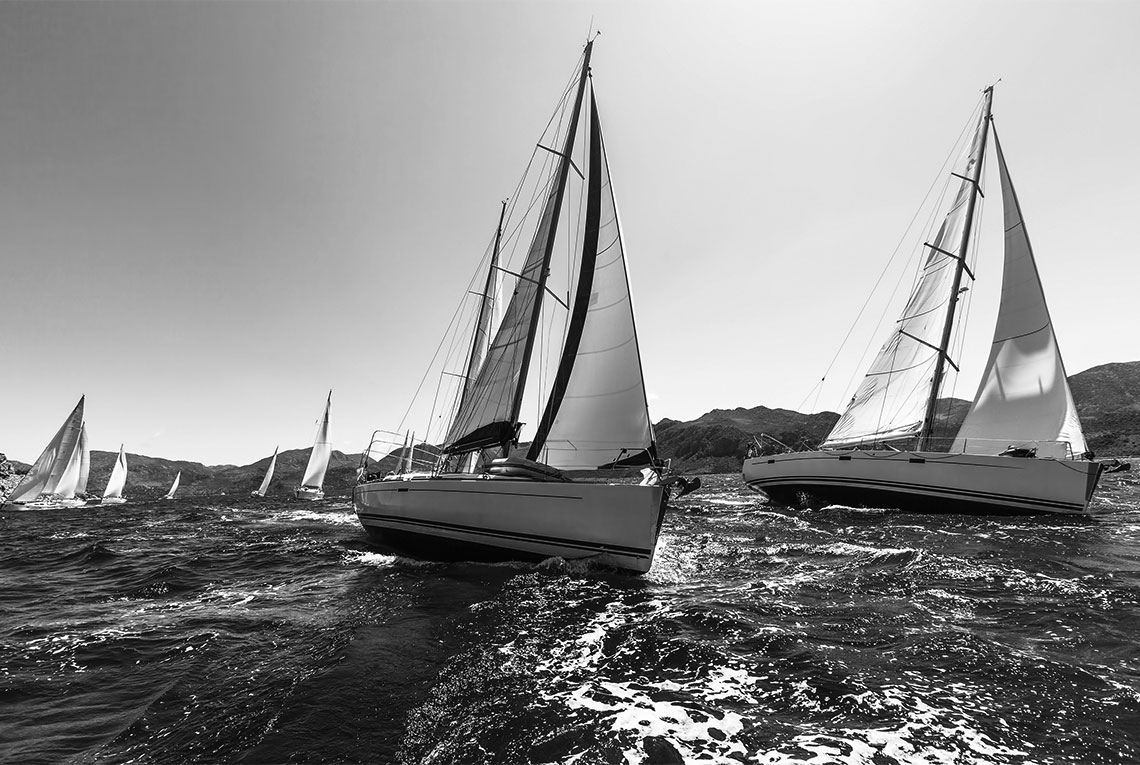
Fleet in Croatia
There are 56 marinas in Croatia, offering berths for more than 3,500 boats, including sailing boats, catamarans, motor boats and luxury yachts. The entire fleet acquires about 62,000 charter rents during the season (from March up to October). Here, on...

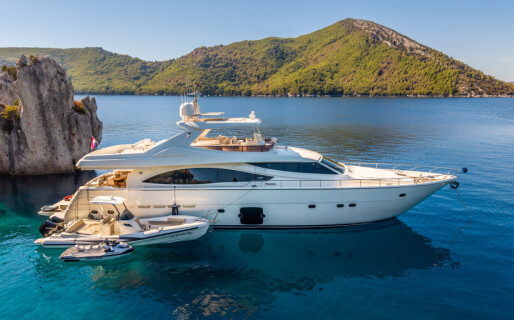
ACI Marina Trogir | Croatia
- Length 23.97 m
- Cabins 4
- Berths 8
- Year 2010
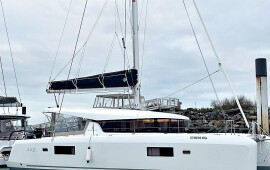
Marina Frapa, Rogoznica | Croatia
- Length 12.80 m
- Cabins 3
- Berths 6+2+2
- Year 2023
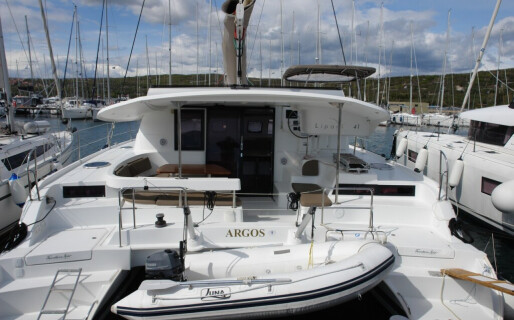
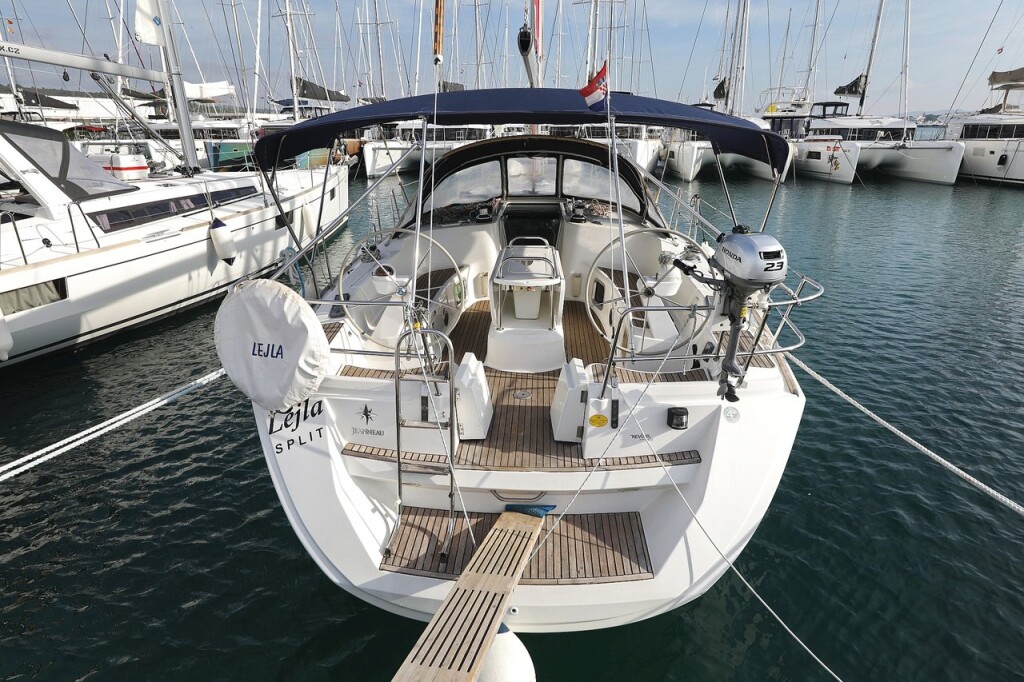
Sukosan, D-Marin Dalmacija Marin | Croatia
- Length 13.72 m
- Cabins 4
- Berths 8+2
- Year 2006

Marina Tehnomont Veruda, Pula | Croatia
- Length 13.24 m
- Cabins 4
- Berths 8+2
- Year 2023
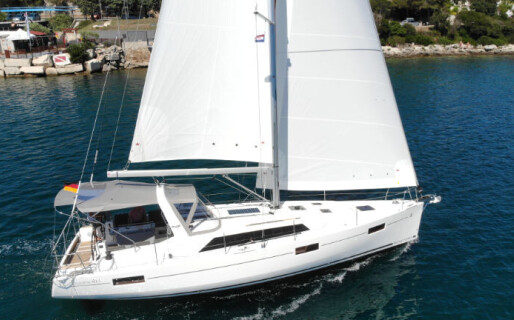
Marina Tehnomont Veruda, Pula | Croatia
- Length 12.43 m
- Cabins 3
- Berths 6+2
- Year 2020
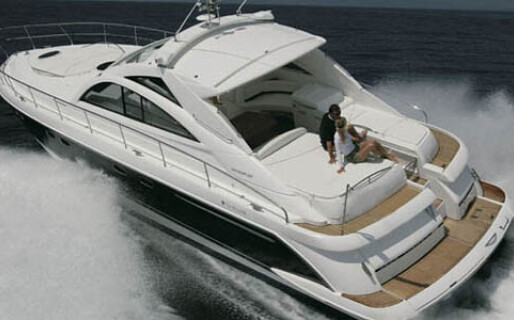
Marina Mandalina, Sibenik | Croatia
- Length 16.22 m
- Cabins 3
- Berths 6+2
- Year 2008